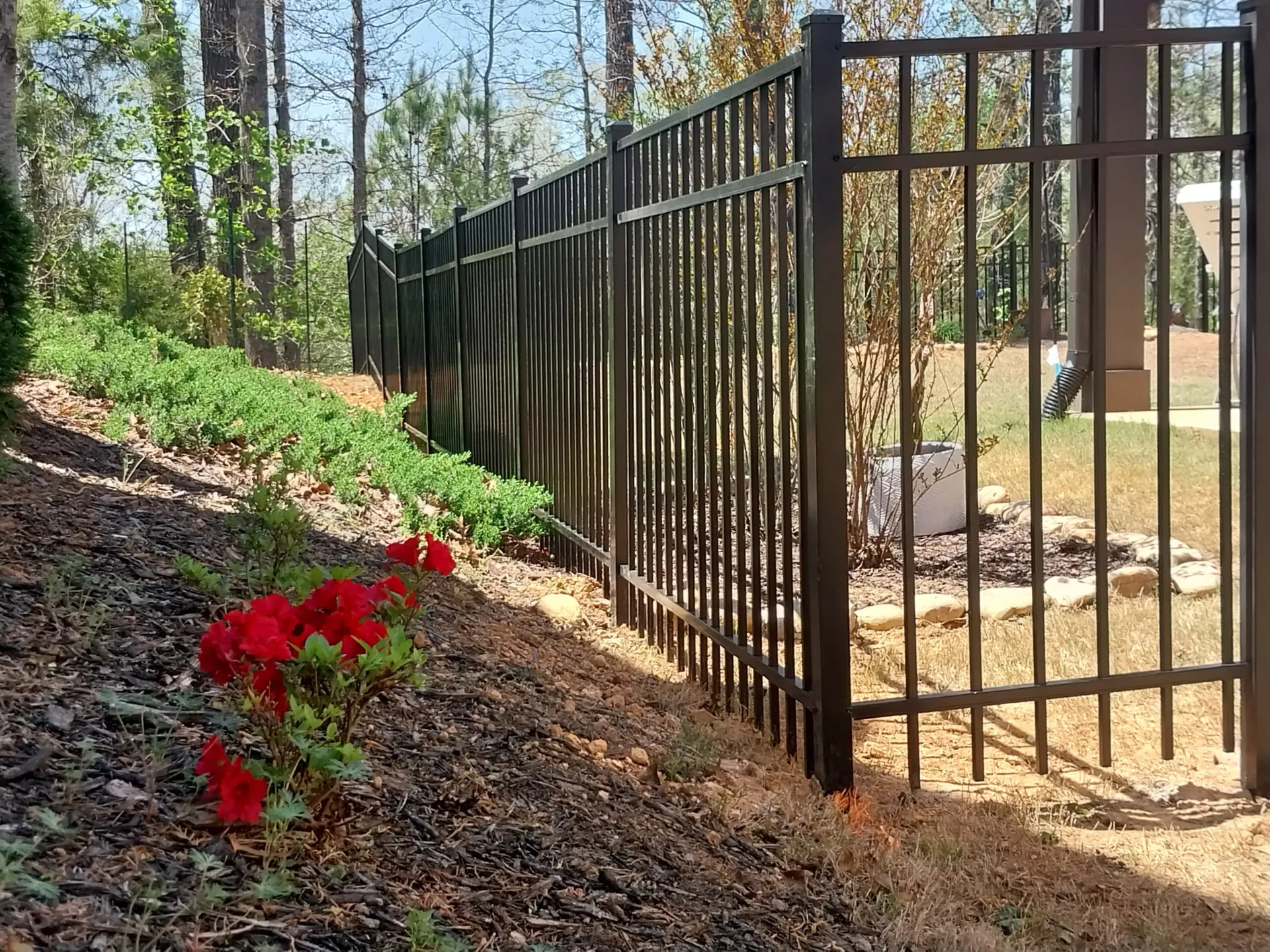

Common Gate Installation Mistakes to Avoid — Practical Tips for Homeowners & Businesses
A well-installed gate boosts security and curb appeal. However, small mistakes can lead to significant problems. This guide covers common gate installation errors and how to avoid them. Learn about measuring, post-installation, hardware selection, permits, and when to hire a professional. The goal is a reliable, great-looking gate.
TL;DR — Common Gate Installation Mistakes to Avoid
- Measure precisely and plan clearances to prevent gaps, binding, and latch issues
- Set posts deep, plumb, and well anchored to stop sagging and shifting
- Match hinges, latches, and fasteners to the gate’s weight and usage to avoid premature wear
- Check alignment during install and maintain proper ground and slope clearance for smooth operation
- Confirm permits and HOA rules in Forsyth County and call pros for automation or complex builds
What Are the Most Frequent Gate Installation Errors?
Installation errors cause operational failures and safety risks. Here are the most common problems:
- Incorrect Measurements: Inaccurate measurements result in gates that don't fit properly. This leads to alignment and operational issues.
- Poor Post Installation: Shallow or unlevel posts can cause gates to sag or shift. This reduces stability and performance over time.
- Inadequate Hardware Selection: Using the wrong hinges, bolts, or latches can lead to rapid wear. This undermines the gate’s function and lifespan.
How Do Incorrect Measurements Cause Gate Problems?
Incorrect measurements quickly lead to trouble. A gate cut incorrectly won't fit, leading to gaps or binding. This can result in sticking, latch failure, or uneven hardware wear. Measure carefully, accounting for clearances and slope.
Why Is Proper Post Installation Critical for Gate Stability?
Posts support the gate's weight and movement. Proper installation is crucial. Posts should be set deep, plumb, and securely anchored with appropriate concrete. Shifting or uneven posts can cause sagging, ground scraping, or hinge strain. Solid, level posts are essential for long-term reliability.
How Can You Prevent Hardware and Alignment Issues in Gate Installation?
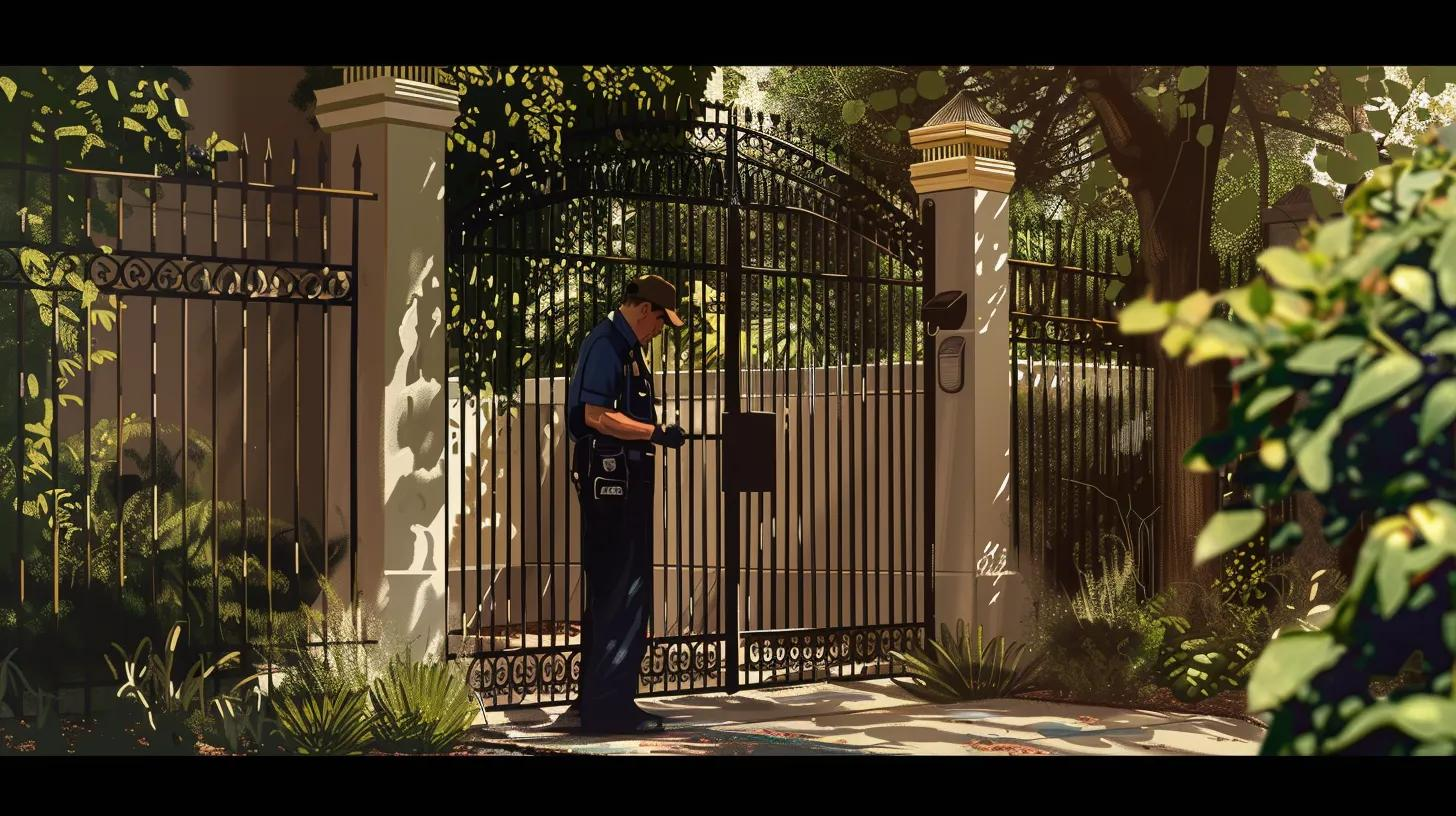
Correct hardware and careful alignment ensure years of smooth gate operation. Use these strategies:
- Choosing the Right Hardware: Match hinges, pins, and latches to the gate’s weight and intended usage. Heavier gates, for instance, require heavy-duty hardware.
- Ensuring Proper Alignment: Continuously check alignment during installation. Components must be true and move freely.
- Consequences of Inadequate Hardware: Cheap or undersized hardware can lead to premature failure. This results in extra repairs and compromised security.
What Are the Consequences of Inadequate Hardware Selection?
Poor hardware choices quickly lead to problems such as bent hinges, stripped fasteners, and failing latches. A lightweight hinge on a heavy gate will likely deform. An underspecified latch will not provide adequate security. Always choose components rated appropriately for the gate's size and intended use. Investing upfront helps avoid costly repairs and ensures safety.
How Do You Ensure Proper Gate Alignment for Smooth Operation?
Mount the gate at the correct height, ensuring clearance from the ground and any slopes. Use a level to confirm both vertical and horizontal alignment. Fine-tune hinges and bolts until the gate swings freely and smoothly. Regular maintenance, including tightening, lubricating, and checking for settling, preserves alignment and extends service life.
What Local Regulations and Permits Must You Consider for Gate Installation in Forsyth County?
Adhering to local rules is crucial for gate installation in Cumming, Georgia. Ignoring permits or HOA guidelines can lead to fines or mandated alterations.
Consider the following before you begin:
- Forsyth County Permit Requirements: Automated gates or those exceeding certain heights often require permits or inspections.
- HOA Guidelines: Homeowners' associations (HOAs) may limit materials, colors, or styles to maintain community standards.
- Building Codes for Gates: Local codes may set specific safety and installation standards that must be met.
What Are Forsyth County Gate Permit Requirements?
Forsyth County frequently requires permits for automated gates or those exceeding specific height limits. This typically involves submitting plans and paying a fee. Requirements can vary. Always confirm with the county permitting offices before installing. Skipping this step can result in fines or mandated alterations.
How Do HOA Guidelines Affect Gate Installation?
HOAs frequently regulate gate appearance and placement to maintain neighborhood aesthetics. They may restrict materials, finishes, or height, often requiring design approval. Thoroughly review your HOA's rules. Obtain written approval to avoid compliance issues or costly rework.
When Should You Avoid DIY and Call Professionals for Gate Installation?
While some gate projects are suitable for DIY, others necessitate experienced installers. Consider hiring a professional for the following situations:
- Complex Installations: Automated systems, heavy ornamental gates, or custom builds often require specialist skills.
- Local Regulations: If permits, inspections, or HOA approvals are involved, professionals can effectively navigate the process.
- Safety Concerns: Heavy materials, electrical connections, or complicated mechanisms pose safety risks best left to trained technicians.
What Common DIY Gate Installation Problems Should You Watch For?
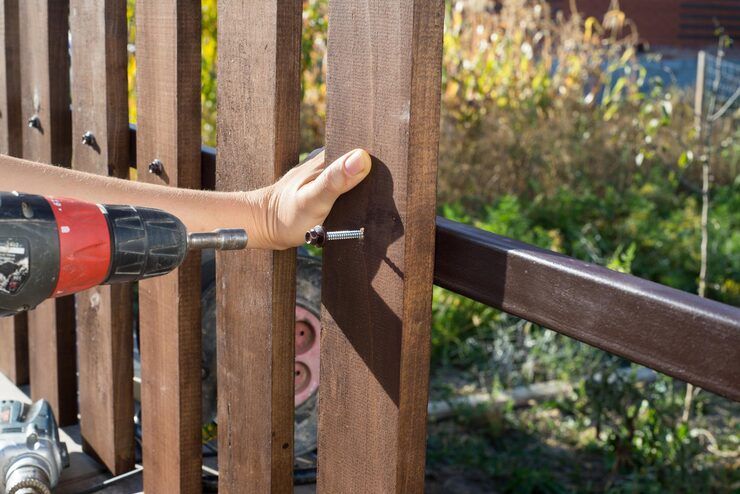
Common DIY pitfalls include misaligned gates, incorrect hardware, and overlooked permits. This can lead to gates that don't close properly, failing hardware, or code violations. If the job becomes complex, seeking expert advice is recommended. This can ultimately save both time and money.
How Does Professional Installation Prevent Costly Gate Errors?
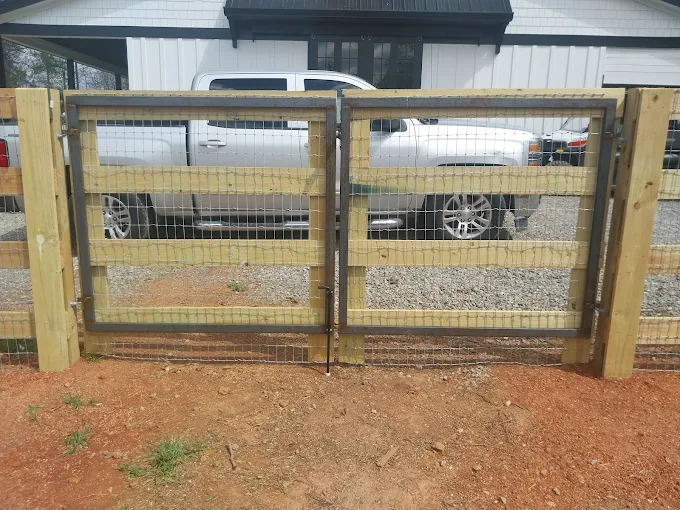
Professionals offer extensive experience, specialized tools, and comprehensive code knowledge. They measure precisely, set stable posts, select the correct hardware, and handle automation safely. This expertise significantly reduces the need for callbacks and costly fixes. For complex gates,
professional gate installation is a wise investment.
| Installation Aspect | Common Mistakes | Consequences |
|---|---|---|
| Measurements | Incorrect sizing or not accounting for clearances | Misalignment, binding, operational failures |
| Post Installation | Shallow setting or poor leveling | Sagging, instability, premature wear |
| Hardware Selection | Undersized or low-quality components | Frequent repairs, security risks, shorter lifespan |
The table above highlights common installation mistakes and their potential consequences. Addressing these issues upfront can prevent future problems. This ensures your gate functions as intended.
Conclusion
A properly installed gate not only protects your property but also significantly boosts curb appeal. Ensure accurate measurements, solid post installation, correct hardware selection, and compliance with local regulations.
For complex systems or simply for peace of mind, consider calling a professional. When in doubt, reach out to our team for expert guidance.